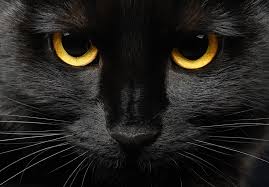
If you teach teens or adults, Halloween is the perfect excuse to bring a bit of mystery and suspense into your lessons and short stories are a wonderful way to do it. They’re manageable in length, rich in vocabulary and themes, and they naturally lead to discussion.
Here are three timeless stories that will give your students goosebumps and get them thinking.
The Black Cat by Edgar Allan Poe
One of Poe’s most famous tales, The Black Cat explores guilt, violence, and the darker side of human nature. The narrator insists on his sanity as he recounts a series of horrifying events — a perfect example of unreliable narration.
💡 Why it works in the ESL classroom:
Excellent for B2-C1 learners who enjoy psychological depth and moral dilemmas.
Great for narrative tenses, emotion vocabulary, and descriptive writing.
Students can analyse point of view and debate whether they trust the narrator.
You can download it here:

Click on the image to see this resource in our TpT store.
We created this resource to go with the story. Teachers’s guide included and interesting tasks for teenagers or adults.
The Landlady by Roald Dahl
This deceptively innocent story follows a polite young man who checks into a charming bed and breakfast — but something feels off. Dahl’s writing is witty, dark, and wonderfully British.
💡 Why it works in the ESL classroom:
The twist ending always sparks lively discussions about trust, politeness, and reading between the lines.
It’s accessible for B2–C1 learners, with authentic British dialogue.
Students can practise predicting endings, identifying foreshadowing, and recognising tone and irony.
Download it here:
The Horla by Guy de Maupassant
A lesser-known gem of supernatural fiction, The Horla tells the story of a man tormented by an invisible being — or perhaps by his own mind. Maupassant blends realism and horror, creating an atmosphere that feels disturbingly modern.
💡 Why it works in the ESL classroom:
- Perfect for discussions about mental health, fear, and perception.
- Rich in advanced adjectives and metaphorical language.
- Encourages interpretation and debate: Is the Horla real, or imagined?
Download it here:
It’s a bit longer than the others, but you can always just use an extract if you are short with time!
Enjoy them and let us know which one you liked the most!